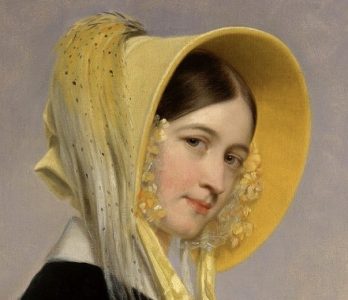

“Plaintive yet passionate, earthy yet full of grace, the Spanish gitana has been all but synonymous with Spain since her kinsfolk first landed on Iberia’s shores in the fifteenth century from as far afield as India. The Spanish came to revere but also fear gypsies because of their nomadic way of life and the freedoms it seemed to allow. For some three hundred years, they were persecuted, their settlements broken up, their language and rituals denied them. Yet, paradoxically, the hardship they endured nurtured a whole subculture most nobly embodied by dance and the flamenco. By the nineteenth century, Spain had embraced Gypsy myth and lore. The Romantics were in awe of the gypsies for their otherworldliness and seeming ability to commune with nature, while the following generation of artists and writers, driven by patriotism in the wake of Spain’s colonial losses, venerated the gypsy as the quintessential icon of Spanish identity.”
READ FULL ESSAY: Sotheby’s
See More
Hermenegildo Anglada Camarasa At Sunnyside
Hermenegildo Anglada Camarasa at Christie’s
Hermenegildo Anglada Camarasa at Sotheby’s
Read More
Hermenegildo Anglada Camarasa at wikiwand
Thanks for Visiting 🌻
~Sunnyside


Bravo!
LikeLiked by 1 person
😎❤️🙏
LikeLiked by 1 person
You may be aware that the English name gypsy arose from the belief that those people came from Egypt.
LikeLiked by 1 person
That was fascinating. Thank you, Steve.
LikeLike